Behind the Work

The
Studio

A look inside the space, the process, and the materials behind every handcrafted piece — where raw clay becomes something enduring.

Back to Home
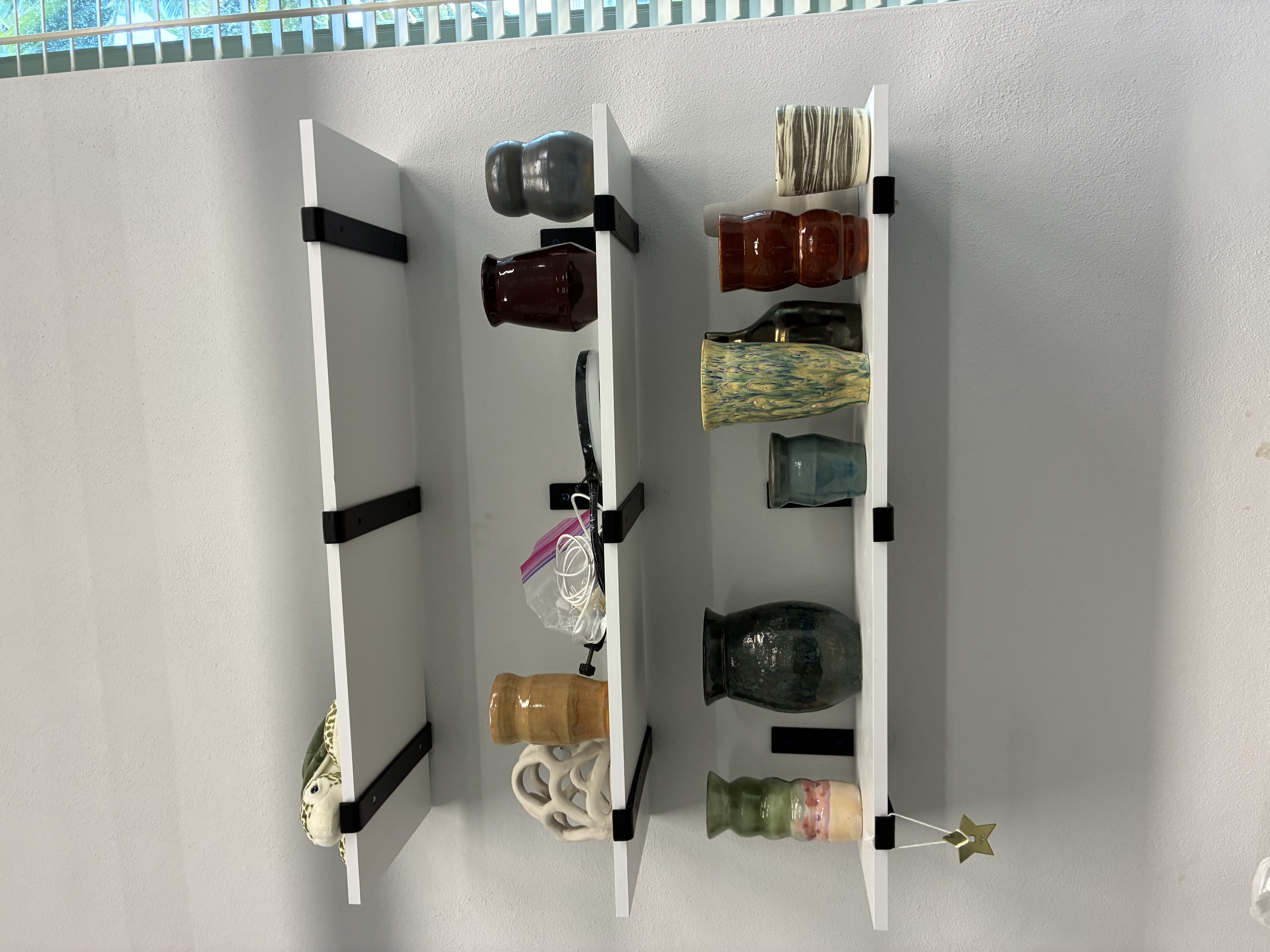
Studio photo

Where It All Begins

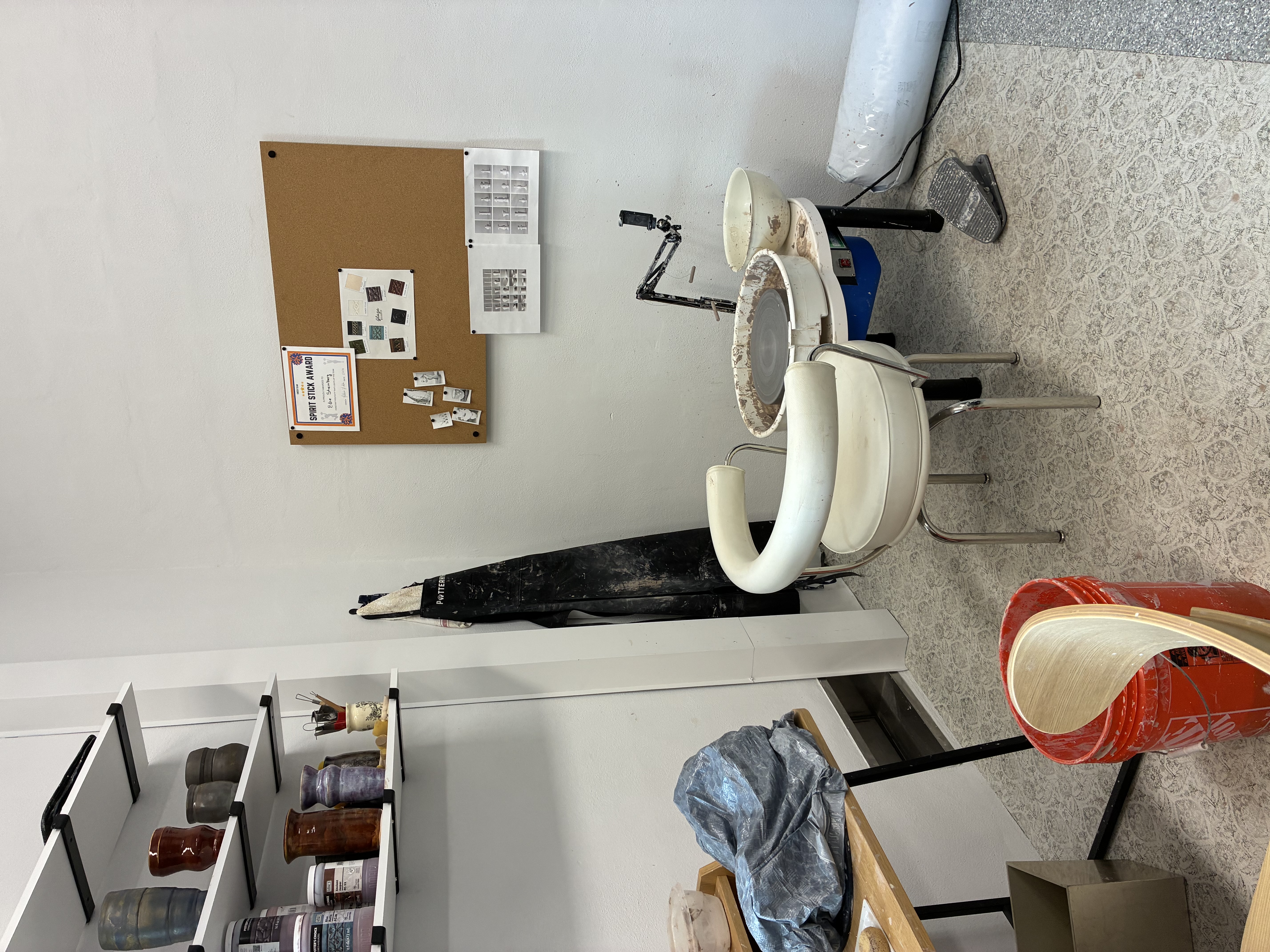
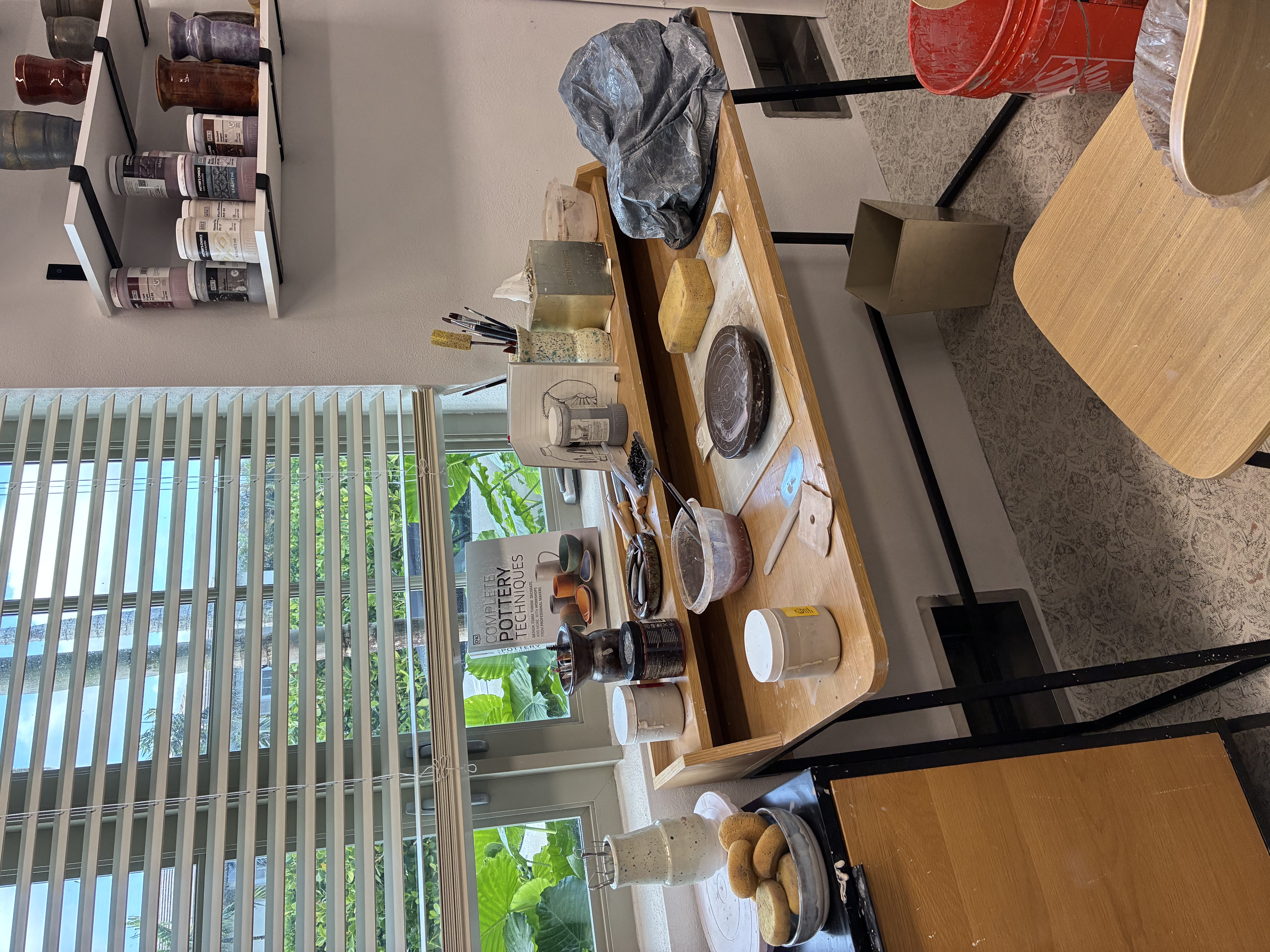
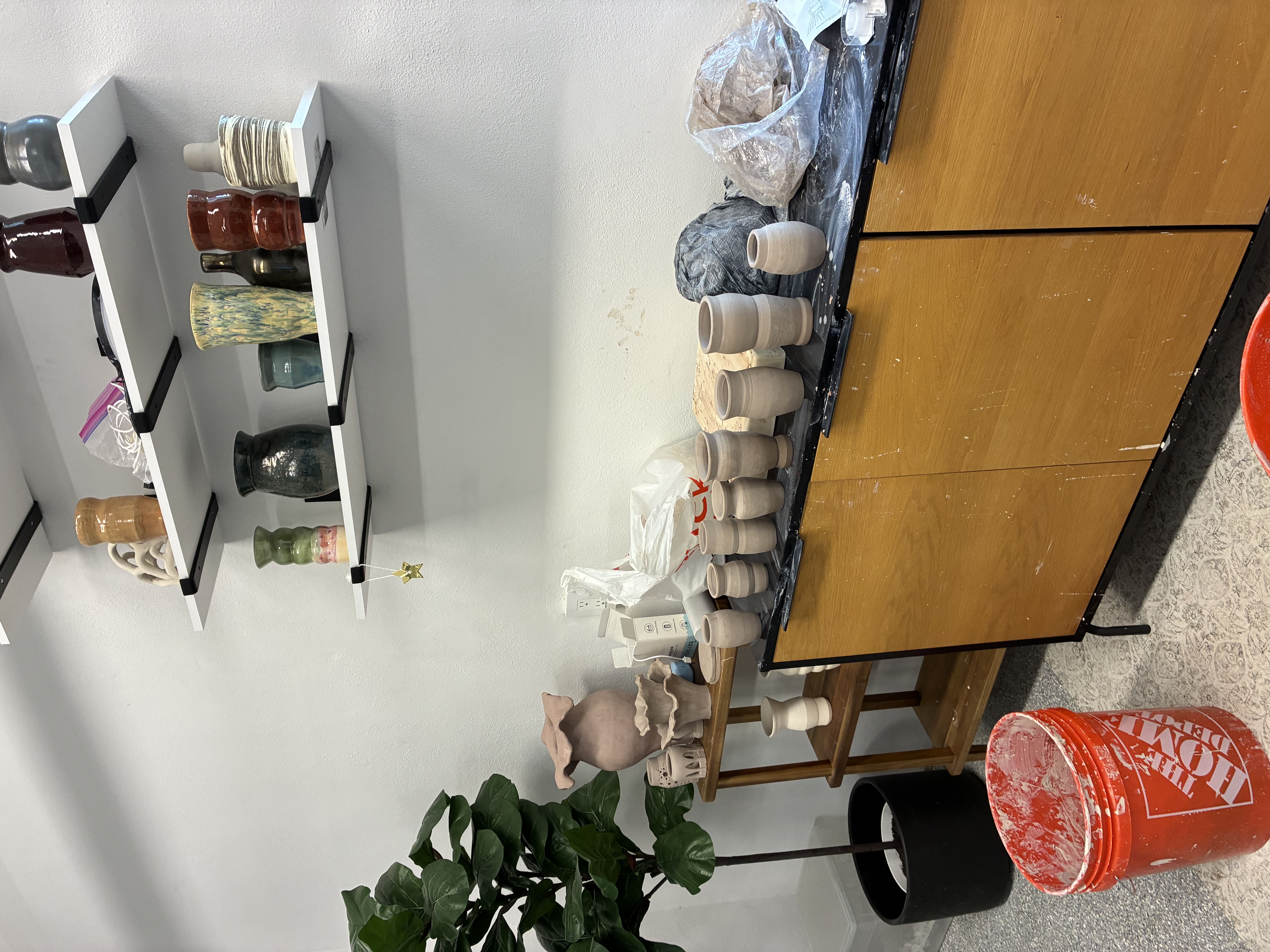
Every piece starts here — in a studio filled with natural light, the hum of the wheel, and the quiet focus that hand-building demands. It is a space shaped by practice, patience, and a deep respect for the material.

The studio is where ideas become tangible. Where a sketch on paper turns into a form held in two hands, trimmed, refined, and sent to the kiln.
Studio photo
Studio photo
Studio photo
Studio photo
Clay doesn't lie. It holds every decision you make.

— Edie Steinberg

The Process

From raw clay to finished glaze, each piece moves through a series of deliberate steps — none rushed, each one shaping what the work becomes.

Process photo
01
Preparing the Clay

Every piece begins with wedging — working the clay by hand to remove air pockets and create a uniform, workable consistency. This step sets the foundation for everything that follows.

Process photo
02
Forming

Shapes emerge through hand-building — coiling, pinching, and slab construction — as well as wheel throwing. Each method brings its own rhythm and produces distinctly different results.

Process photo
03
Drying & Trimming

Once formed, pieces dry slowly to a leather-hard state, then are trimmed and refined. Details are added, surfaces are smoothed, and the piece takes on its final raw character.

Process photo
04
Glazing & Firing

After bisque firing, glazes are applied by hand — layered, brushed, or poured to create the distinctive surfaces each collection is known for. A final firing transforms the glaze into glass, locking in colour and texture forever.

Clay, Glaze & Fire

The character of each collection comes from a careful choice of clay body and glaze chemistry — materials that respond differently to heat, light, and touch.

Materials photo
Stoneware Clay

Dense, durable, and naturally warm in tone. Stoneware forms the foundation of most pieces — its texture and weight lending a grounded, earthy quality to every form.

Materials photo
Custom Glazes

Each collection uses its own glaze palette — developed and refined over years of testing. Marble glazes are layered for depth; metallic finishes require precise timing and temperature to achieve their characteristic sheen.

Materials photo
The Kiln

A high-fire electric kiln reaches temperatures above 2300°F. The firing schedule — how fast the temperature rises and falls — is as important as the glaze itself in determining the final result.